


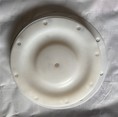
Air Operated Diaphragm Pump Using Attention
The pneumatic diaphragm pump operates on compressed air as its power source, generating reciprocating deformation of the diaphragm to create changes in volume, making it a positive displacement pump similar to a plunger pump. By following specific principles, instructions, and precautions during its use, the pneumatic diaphragm pump can play a vital role and provide significant contributions. Here are some important considerations for operating the pneumatic diaphragm pump:
1. Ensure that the fluid being pumped does not contain particles larger than the maximum safe particle diameter specified for the pump. This prevents potential damage to the pump.
2. Securely tighten the pump and the joints of the connecting pipes to minimize vibrations and prevent the occurrence of electrostatic sparks. It is advisable to use an antistatic hose for added safety.
3. Regularly inspect and test the grounding system to ensure its reliability. The grounding resistance should be maintained below 100 ohms to mitigate potential electrical hazards.
4. Maintain proper exhaust and ventilation in the surroundings of the pump. Keep a safe distance from flammable, explosive, and heat sources to minimize risks.
5. Do not exceed the maximum allowable pump pressure when setting the intake pressure. Overpressure of the compressed air compared to the rated pressure of the pump may result in personal injury, property damage, and performance degradation of the pump.
By adhering to these guidelines, users can ensure the safe and efficient operation of the pneumatic diaphragm pump, making the most of its utility and value.
To prevent personal injury or property damage, it is crucial to take precautions against electrostatic sparks. One effective measure is to utilize a wire with a large cross-sectional area for grounding the ground screw on the pump. However, it is important to ensure that the grounding requirements not only comply with local laws and regulations but also meet any special requirements on the site.
Additionally, it is essential to be cautious of the exhaust emitted by the pump, as it may contain solid objects. To avoid any harm, it is recommended not to direct the exhaust port towards the work area or individuals.
Another potential concern arises when the diaphragm of the sewage pump fails. In such cases, the pump will transport the material from the exhaust muffler ejection. Therefore, it is vital to guarantee that the pump pressure pipeline system can withstand the maximum output pressure, ensuring the cleanliness and smooth functioning of the multistage pump drive gas path system.
Furthermore, when dealing with flammable and toxic fluids, it is advisable to connect the outlet to a safe location away from the work area. By doing so, the risk of accidents or harm is minimized.
Lastly, it is recommended to connect the exhaust port to the muffler using a smooth lining with a minimum inner diameter of 3/8". This ensures proper functionality and reduces the chances of any issues.
It's crucial to be aware of the potential dangers arising from the high pressure of the fluid. Engaging in maintenance work on the pump and material pipe system while the pump is pressurized can result in severe casualties and property losses. Therefore, it is advised to avoid such tasks under these circumstances.
If the rotor pump requires repair, it is necessary to take certain precautions. Begin by cutting off the pump intake and opening the bypass pressure relief mechanism to relieve the pipeline system. Afterward, slowly loosen the connected pipe joints. This procedural approach ensures safety and minimizes any potential risks.
In the case of pumps that deliver harmful and toxic fluids, such as fire pumps, it is essential not to send the pump directly to the manufacturer for repair. Special care must be taken with pumps that utilize aluminum alloy material. These pumps should not be used to transport liquids containing Fe3+ and halogenated hydrocarbons, as it may lead to corrosion and subsequent rupture of the pump body. Thus, it's crucial to consider the compatibility of the conveying fluid with the pump's components to prevent any adverse effects.
To maintain a safe working environment, it is imperative that all operators are well-versed in the operation and usage of the pump safety precautions. Additionally, it may be necessary to provide necessary protective equipment to ensure their safety. It is important to note that the pump should not be left running without any fluid for an extended period, as this can lead to damage or malfunctions.
In summary, prioritize safety by following the proper procedures when working with the pump and material pipe system. Avoid maintenance tasks on pressurized pumps, utilize the appropriate precautions for repair, and consider the compatibility of the pump with the conveyed fluid. Promote a safe working environment by ensuring operators are knowledgeable about safety measures and, if needed, provide protective equipment.