


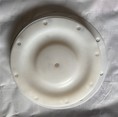
The Advantages Of Pneumatic Diaphragm Pumps
In the painting and ceramic industries, diaphragm pumps have established an absolute dominant position. Their prevalence in these industries cannot be overlooked.
The automatic adjustment of flow rate with the change of back pressure (outlet resistance) is a key advantage of using air as power. This feature makes it particularly suitable for fluids with medium and high viscosity. However, it is important to note that the working point of the centrifugal pump is initially set based on water. Therefore, if the pump is used for a fluid with slightly higher viscosity, additional equipment such as a reducer or a variable frequency governor is required. Unfortunately, this will significantly increase the overall cost. The same holds true for gear pumps, as they also require additional equipment to handle fluids with higher viscosity.
Pneumatic pumps are an excellent choice for flammable and explosive environments where safety is a top priority. These pumps are not only reliable, but they're also incredibly cost-effective. One of the reasons for this is that they are designed to eliminate the risk of generating sparks, which is critical when transporting fuel, gunpowder, and explosives. Another advantage is that they don't generate any heat during operation, which means there is no risk of the pump overheating. Additionally, diaphragm pumps are known for providing minimal agitation to fluids, which ensures that they won't overheat either. Overall, pneumatic pumps are a safe and efficient option for transporting dangerous materials, which makes them an ideal choice for industrial applications.
In tough construction sites like industrial or mining areas, the discharge of wastewater often contains a high level of impurities and a complex mixture of components. As a result, the pipelines in these areas are prone to blockages, leading to excessive strain on electric pumps and potential damage to their motors due to overheating. However, by utilizing air-operated diaphragm pumps, this issue can be addressed effectively. These pumps are capable of handling particles within the wastewater and offer adjustable flow rates. Moreover, in the event of a pipeline blockage, these pumps automatically halt their operation until the obstruction is cleared, preventing any further damage or complications.
Diaphragm pumps are highly suitable for transporting fluids that possess unstable chemical properties, including photosensitive materials and flocculation liquids. This is primarily due to the diaphragm pump's characteristic of generating a low shear force, which minimizes any physical impact on the transported material.
The diaphragm pump is an effective solution for handling hazardous and corrosive materials as it provides a complete separation between the materials and the external environment.
In order to maintain the quality of the final product, some manufacturers perform quality checks during the production process. These checks could involve testing the raw materials for impurities, or simply ensuring that each step of the production process is carried out correctly. Alternatively, some manufacturers may use quality control measures to ensure that the final product meets certain standards before it is released to the market. This could involve subjecting the product to a series of tests to identify any flaws or defects that could impact its performance or safety. Overall, quality control is an essential aspect of the manufacturing process as it helps to ensure that the final product is safe, efficient, and effective.
Moreover, the diaphragm pump boasts convenient portability, eliminating the need for any foundation and taking up minimal space. Its installation is both straightforward and cost-effective. Notably, it can serve as a versatile solution for on-the-go material conveyance.